

Most homeowners don’t realize how much difference the Best Attic Insulation makes in Florida’s humid, heat-heavy climate. The truth? Most insulation setups in Florida homes are completely messed up, and nobody talks about the real culprit: constant humidity mixed with brutal heat.
Here’s what drives experts crazy: poor insulation traps moisture inside, creating perfect breeding grounds for mold while sending energy bills through the roof.
If the material inside your attic cannot withstand both heat and constant dampness, the system fails quickly. That’s why investing in the Best Attic Insulation for Florida homes isn’t just smart, it’s essential for keeping your space dry, cool, and energy-efficient year-round.
Why Spray Foam Works Best in Florida
Look, spray foam is the only insulation available that handles this challenging climate without falling short. Most products are basically expensive dust after a few years in Florida’s heat, but spray foam expands to choke off every gap and crack.
The reality is that an airtight seal blocks both heat and humidity, so cool air actually stays inside when the AC’s fighting for its life.
Let’s be real: open-cell foam is cheaper, but it drinks up some moisture, a bad idea here. Closed-cell foam actually shoves water away and has the weird bonus of making your walls tougher. That’s why most Attic Insulation Contractors Golf pros push closed-cell for Florida homes; it hangs tough in humidity and doesn’t quit when storms roll through.
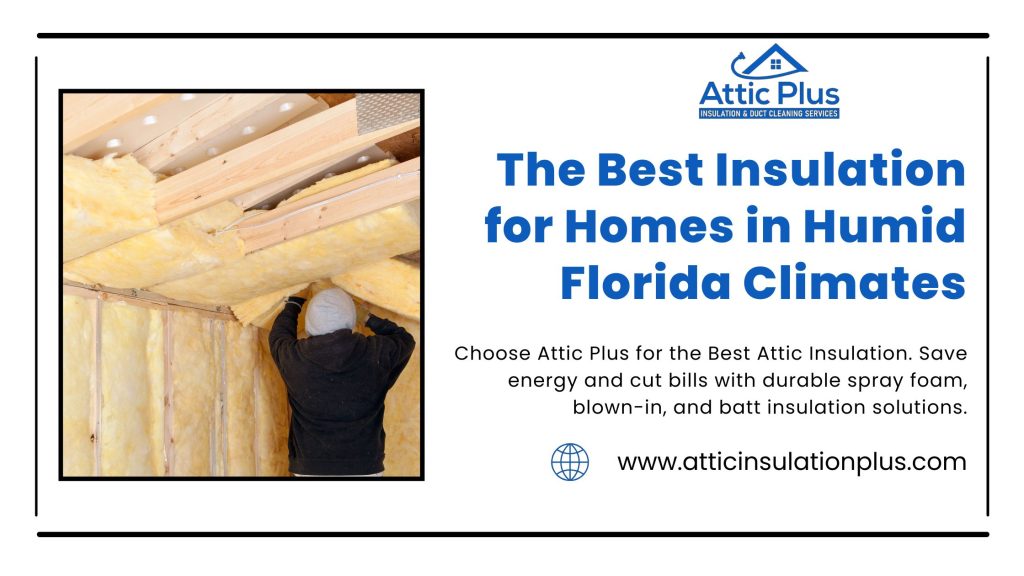
Fiberglass Insulation With Proper Ventilation
Sound familiar? Homeowners cheap out on fiberglass batts all the time because they’re thinking about saving a few bucks up front. What’s crazy is, without real ventilation, fiberglass just soaks up Florida’s swamp air and goes limp. The stuff actually traps moisture if the space can’t breathe, total nonsense.
Anyone using fiberglass needs to at least slap up vapor barriers and babysit their attic vents. Otherwise, the condensing humidity will eat the insulation alive. It’s wild how fast mold sets in. Attic Insulation Pompano Beach crews who know the local mess swear by constant checkups, catch the problem early, or it spreads everywhere.
Reflective Barriers for Extra Protection
What most people miss? Heat reflection. Radiant barriers in the attic sound like a gimmick, but those thin metal sheets hurl heat back outside instead of letting it bake everything below. On peak summer days, the difference is brutal. They’re not insulation per se, but toss them in on top of foam or fiberglass and suddenly the attic isn’t a raging oven.
A lot of contractors mix in reflective barriers for customers chasing lower AC bills, and anyone with a monster attic sees fast results. The energy savings alone make it make sense, but the main win is keeping the whole space less hellish.
Finding the Right Installation Team
Here’s the truth nobody mentions: even the world’s best insulation turns to garbage if installed wrong. Gaps get left, moisture worms in, and suddenly, mold laughs at all your efforts. That’s why most folks turn to Attic Insulation Contractor, Atlantis teams with real hurricane-season experience. Local pros know what works in flood-prone zones, storm season, or coastal salt-blasted homes.
Near the beach? Only coastal-focused crews have seen how salt air chews up cheap materials. Further inland, teams who deal with sudden downpours and random flooding know insulation needs to stand up to all of it, or problems come back quickly.
Final Words
Here’s what most people don’t get: Florida’s relentless humidity means insulation must keep out moisture and lock in cold air, or the house turns into a petri dish. Spray foam is the one tool that stays tough. Fiberglass works but only with top-notch airflow.
Throw in a radiant barrier, and the attic doesn’t cook every summer. The only move that isn’t ridiculous? Find local experts who know these battles; otherwise, the whole show falls apart. Lower bills, less mold, happier living, all worth it.
Note: At Attic Insulation Plus, we understand how unpredictable Florida’s hurricane season can be. Our team specializes in attic insulation in West Park designed to keep your home safe, energy-efficient, and comfortable, no matter how strong the winds get. From blown-in insulation to spray foam solutions, we ensure every corner of your attic is sealed, protected, and ready for the storm.
Frequently Asked Questions
1. What type of insulation works best in Florida’s humid climate?
The best choice for Florida homes is closed-cell spray foam insulation. It forms an airtight seal that blocks both heat and humidity, keeping your home cool and dry. Unlike fiberglass or open-cell foam, closed-cell spray foam doesn’t absorb moisture, a critical factor in preventing mold and mildew in Florida’s humid environment.
2. Why is humidity such a big problem for attic insulation in Florida?
Florida’s constant humidity seeps into poorly sealed attics, where it condenses and damages insulation materials. Over time, this trapped moisture leads to mold, rot, and reduced energy efficiency. Properly installed spray foam insulation or fiberglass insulation with good ventilation helps control moisture and protect your home’s structure.
3. Can fiberglass insulation work in humid climates like Florida?
Yes, but only if it’s installed correctly and paired with strong ventilation. Without airflow, fiberglass traps humidity and quickly deteriorates. Adding vapor barriers and maintaining attic vents are essential steps. Experienced Attic Insulation Contractors in Pompano Beach can help ensure fiberglass stays effective in Florida’s swamp-like conditions.
4. Are radiant barriers really worth adding to attic insulation?
Absolutely. Radiant barriers reflect heat away from your attic, preventing your home from turning into an oven during Florida summers. While they’re not insulation by themselves, combining them with spray foam or fiberglass insulation can significantly reduce indoor temperatures and cut cooling costs.